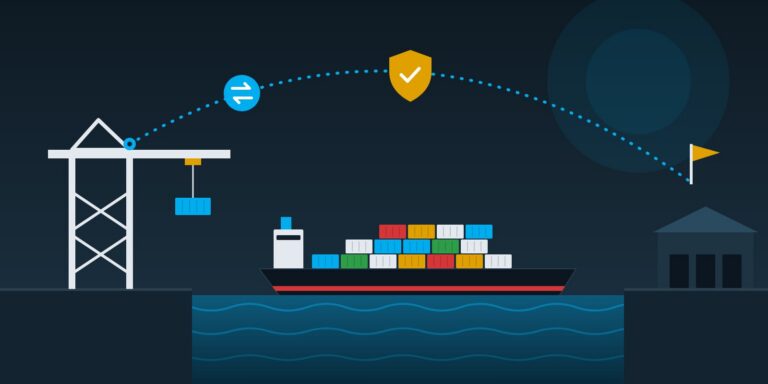
The European Union is Tunisia’s largest trading partner. Every day, trucks, ferries, container ships and aircraft carry Tunisian goods north across the Mediterranean. The route is short, but the paperwork is not. Most delays at the border are not caused by the goods themselves. They are caused by a missing document, or by two documents that do not agree with each other.
This checklist covers the documents that most shipments from Tunisia to the EU need. Some goods need more, so always check the rules for your product.
The core commercial documents
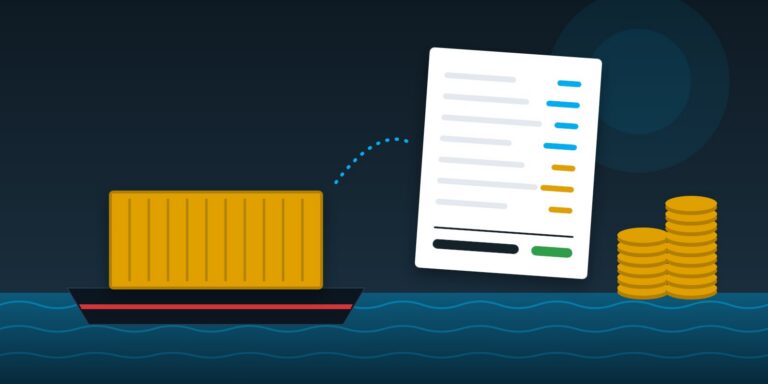
- Commercial invoice. The basis for customs value and duties. It should show the seller and buyer, an invoice number and date, a clear description of the goods, the tariff code (HS code), quantity, unit price, total value, currency, the Incoterms rule with the named place, and the country of origin.
- Packing list. The number and type of packages, the marks and numbers on them, the contents of each package, and the net and gross weights. Customs uses it to check the cargo. The receiver uses it to check the delivery.
A vague description such as “spare parts” or “textiles” invites questions. Describe the goods as a customs officer would need to see them: what they are, what they are made of and what they are used for.
The transport document
The transport document depends on the mode:
- Bill of lading (B/L) for sea freight. It is a receipt for the goods, evidence of the contract of carriage and, in its negotiable form, a document of title. If you trade on a letter of credit, the bank will check it closely.
- Air waybill (AWB) for air freight. It is not a document of title. The goods are delivered to the consignee named on it.
- CMR consignment note for international road transport, issued under the CMR Convention. Trucks from Tunisia usually cross by ferry, so the CMR travels with the trailer.
Customs and origin documents
- Export declaration. Filed with Tunisian customs before the goods leave. A licensed customs broker usually prepares and submits it.
- Proof of preferential origin. Under the trade agreement between Tunisia and the EU, many goods of Tunisian origin can enter the EU at a reduced or zero rate of duty. To claim this, the importer needs a valid EUR.1 movement certificate, or an origin declaration made out on the invoice by an exporter who is allowed to make one. The goods must also meet the rules of origin for their product. Check the current rules and wording for your case, as they can change.
- Import declaration in the EU. Filed by the importer or its customs agent in the country of arrival. The importer needs an EORI number.
Certificates for regulated goods
Some products need extra certificates before they may enter the EU. Typical examples:
- food and agricultural products: health, phytosanitary or conformity certificates, laboratory analyses, and in some cases prior registration;
- organic products: specific organic certificates for each consignment;
- chemicals, cosmetics, toys, electrical goods and machinery: proof that the product meets EU safety rules, often through the EU importer or manufacturer;
- dangerous goods: a dangerous goods declaration and correctly marked packaging (see our article on the basics of shipping dangerous goods).
The list depends on the product, so ask your EU buyer which certificates they and their authorities expect.
The insurance certificate
If the seller arranges insurance, for example under CIF or CIP, an insurance certificate or policy forms part of the documents. Banks often require it under a letter of credit. Even when it is not required, cargo insurance is worth considering. The liability of carriers is limited, as our article on cargo insurance explains.
Consistency: the most common cause of delay
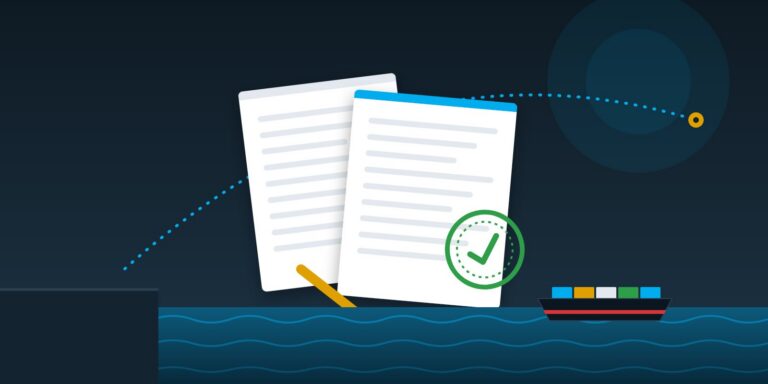
Each document may be correct on its own, and the shipment can still be held because they disagree. Before the goods leave, check that:
- the names and addresses of the shipper and consignee are the same on every document;
- the description, quantity, number of packages and weights match on the invoice, packing list and transport document;
- the HS code is the same on the invoice and the declarations;
- the Incoterms rule on the invoice matches what was agreed in the contract and how the freight is paid;
- the invoice number quoted on the EUR.1 or in the origin declaration is the right one;
- container and seal numbers on the bill of lading match the actual equipment.
Kyranis Logistics handles customs clearance in Tunisia. Send us your draft documents before the goods are ready, and our team will check them for gaps and mismatches. It takes much less time to correct a draft than to release goods held at a port.
Planning a shipment? Request a quote with every fee included upfront, or talk to our team in Tunisia: +216 70 295 255, info@kyranislogistics.com.