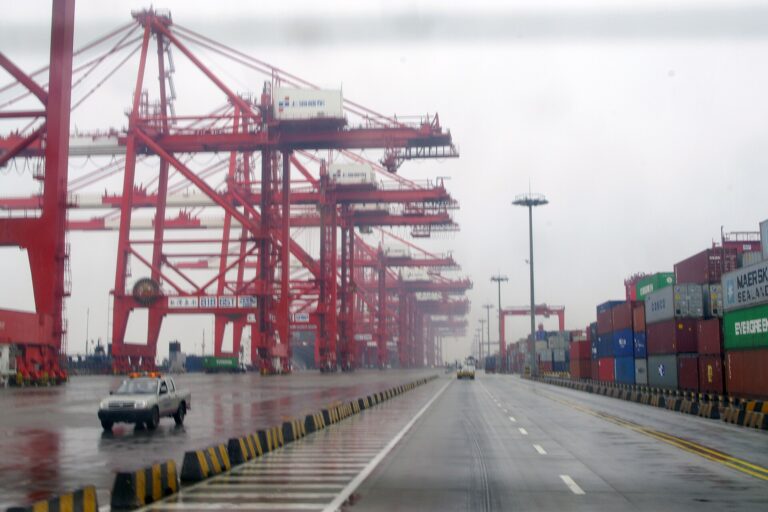
Importing from China: 6 terms to understand before you negotiate
MOQ, FOB, CIF, DDP, OEM and ODM: what each term means, what it changes for an importer in Tunisia, and the questions to ask your Chinese supplier before you sign.
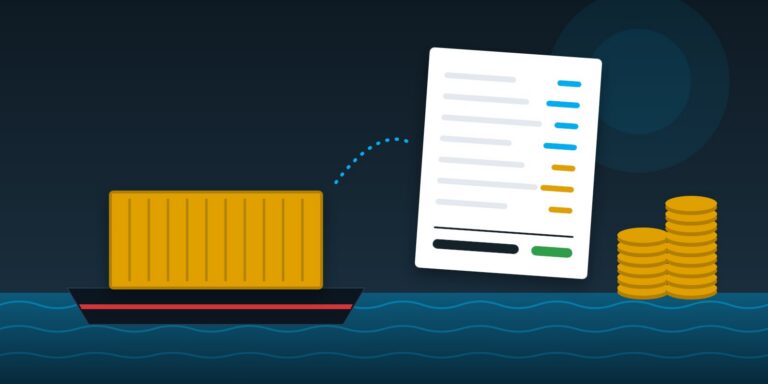
A freight price is more than the sea or road rate. These guides break down how a quote is built, where demurrage and detention charges come from, what cargo insurance covers beyond the carrier’s liability, and how FOB and CIF move cost and risk between seller and buyer. Read them before you compare offers, then ask us for a quote with every fee included upfront.
MOQ, FOB, CIF, DDP, OEM and ODM: what each term means, what it changes for an importer in Tunisia, and the questions to ask your Chinese supplier before you sign.
The sea freight is only one line of the bill. From the factory in China to your warehouse in Tunisia, a container passes five stages, each with its own charges. Who pays each one depends on the Incoterms rule you agree with your supplier.
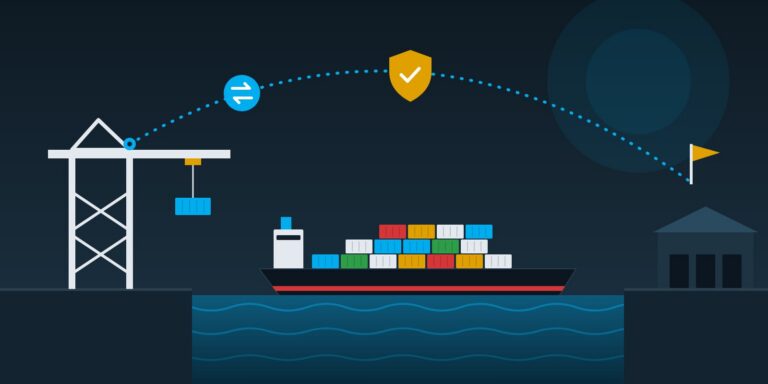
Under FOB and CIF alike, the risk passes to the buyer at the same moment, once the goods are on board at the port of shipment. What changes is who pays the freight and the insurance. A visual guide with a worked example.

Freight, fuel, terminal handling, customs, delivery and chargeable weight: what goes into a freight quote, and why a quote with every fee included helps.
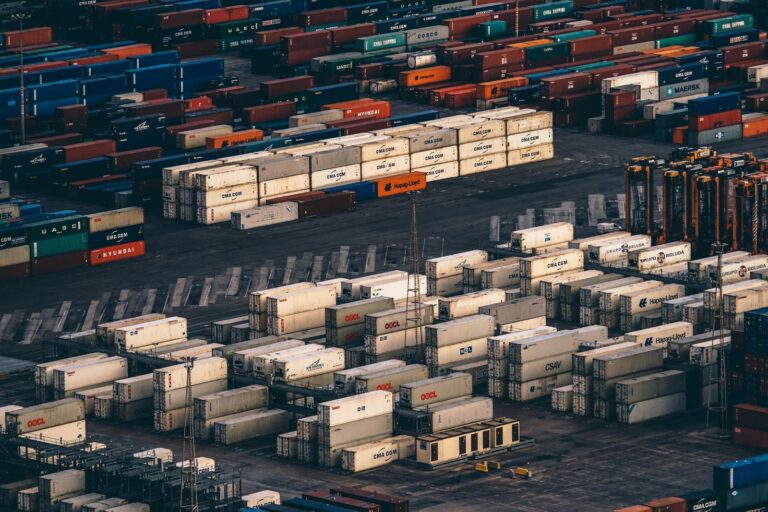
Demurrage, detention and port storage explained: what free time means, who charges what, and practical steps to keep containers moving and avoid extra costs.
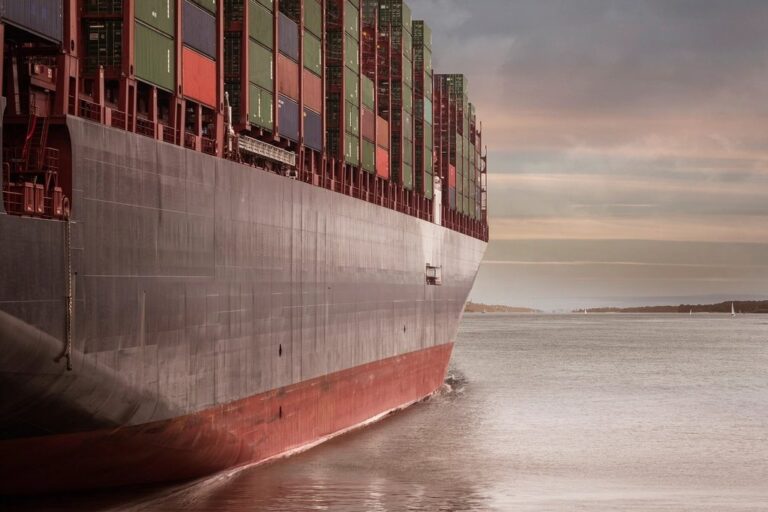
Cargo liability limits for sea, road and air freight, what the carrier really pays, what ICC A, B and C cover, and why cargo insurance closes the gap.
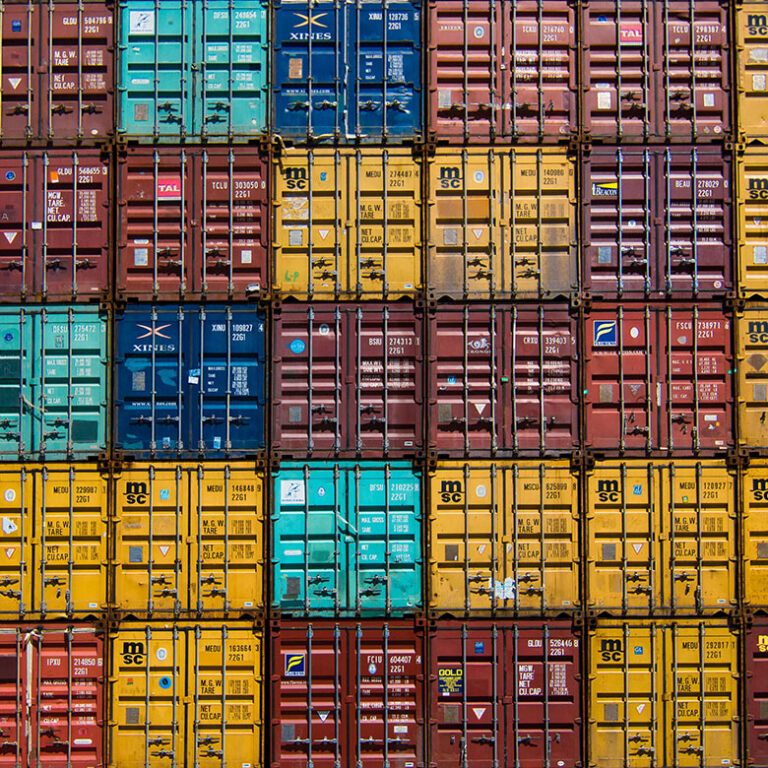
Sending several smaller shipments to the same country? Freight consolidation combines them into one, cutting customs clearance time and the cost per unit.
Subscribe to our news
Add our news feed to your reader to see every new article.
Or get our news by email