Under the EU–Tunisia Association Agreement, goods that originate in Tunisia can enter the European Union at a preferential rate of duty, often zero. Your buyer only gets that rate if the shipment carries a valid proof of origin. Without it, EU customs charge the full duty, and the price you agreed suddenly looks expensive. Here is how the proof works and how to get it right.
Why the proof of origin matters
The preference belongs to the goods, not to the company. EU customs grant it shipment by shipment, when the importer presents proof that the goods are of Tunisian origin under the agreement’s rules. Industrial products usually enter without duty; some farm and food products, such as olive oil, have quotas or special arrangements. In every case, the paperwork has to be right before the goods arrive.
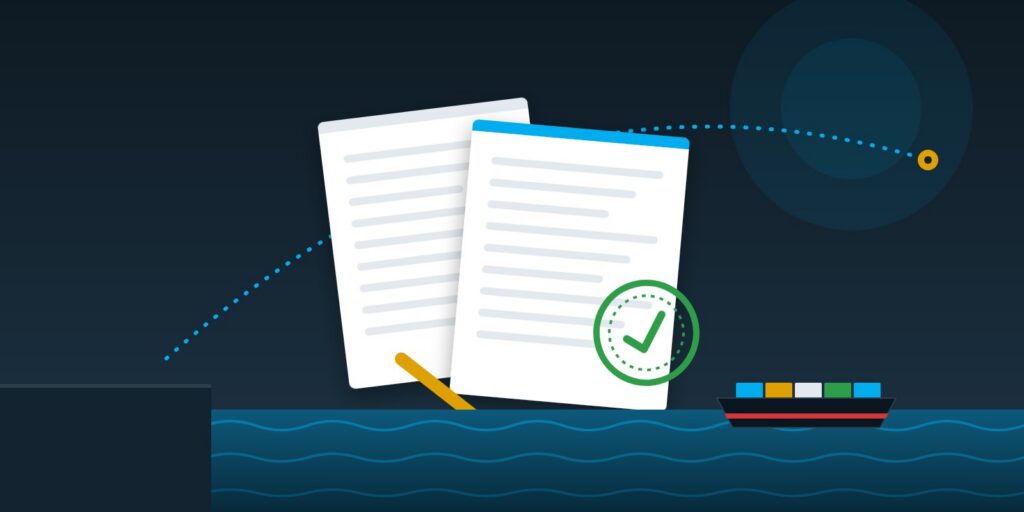
Two ways to prove origin
EUR.1Movement certificate
- The exporter fills it in; Tunisian customs check it and endorse it at export.
- Usable for any value of goods.
- The original travels to the buyer, who presents it to EU customs.
DeclarationOrigin declaration on the invoice
- The exporter writes a fixed wording on the invoice, with no customs stamp.
- Any exporter up to EUR 6,000 of originating goods per shipment; above that, only an approved exporter.
- Faster, because it travels with the commercial documents.
From factory to EU customs, step by step
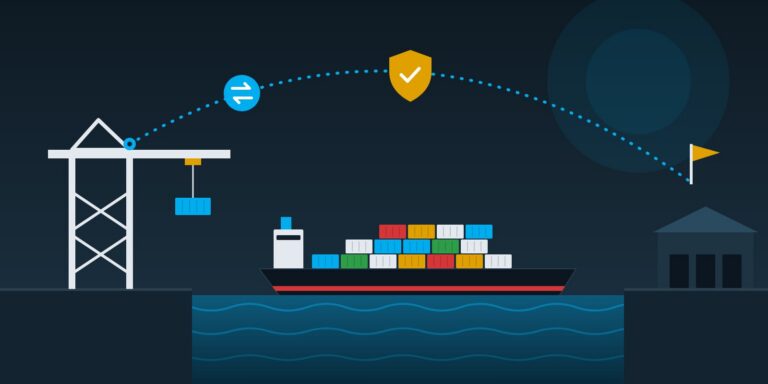
The proof of origin is prepared before the goods leave Tunisia, and used when they arrive in the EU. Five steps, the same for both forms of proof:
- Check the origin rule
- Collect supplier declarations
- EUR.1 or invoice declaration
- Export customs in Tunisia
- Buyer claims the preference
Keep the documents that prove origin for at least three years: EU or Tunisian customs can ask to verify them after the goods have arrived.
When are goods “of Tunisian origin”?
Goods qualify when they are wholly obtained in Tunisia, such as olive oil from Tunisian olives, or when imported materials have been sufficiently processed there. The rule for each product depends on its tariff code: some need a change of tariff heading, others a maximum share of non-originating materials. Materials from the EU and other partner countries can often count as originating under the cumulation rules. If you use imported materials, ask your suppliers for their declarations before production starts.
Three mistakes that cost the preference
- Issuing the proof after the goods have left. An EUR.1 can sometimes be issued afterwards, but it is slower and your buyer may pay the full duty in the meantime.
- Using the invoice declaration above the limit. Above EUR 6,000 of originating goods, only an approved exporter may make it; otherwise use an EUR.1.
- A description that does not match. The goods, quantities and invoice numbers on the proof must match the invoice and the packing list exactly.
How Kyranis can help
Our team in Tunisia checks your export file before departure, prepares the export declaration and makes sure the proof of origin travels with the goods. See our document checklist for shipping to the EU, or our customs clearance service.
Planning a shipment? Request a quote with every fee included upfront, or talk to our team in Tunisia: +216 70 295 255, info@kyranislogistics.com.