
A reefer is a shipping container with insulated walls and its own cooling unit: it carries fruit, vegetables, fish, meat, dairy, chocolate and medicines across the sea at a set temperature. It is reliable, but it does one thing only: it keeps cargo at the temperature it was loaded at. Most damaged reefer loads come from what happened before the doors closed.
What a reefer is
- A container with insulated walls, a cooling unit, humidity control and a fresh-air vent, steered by a controller that holds the temperature and humidity set for the trip.
- It comes in two sizes, 20-foot and 40-foot high cube. The 40-foot high cube carries more than 90% of the world's reefer cargo.
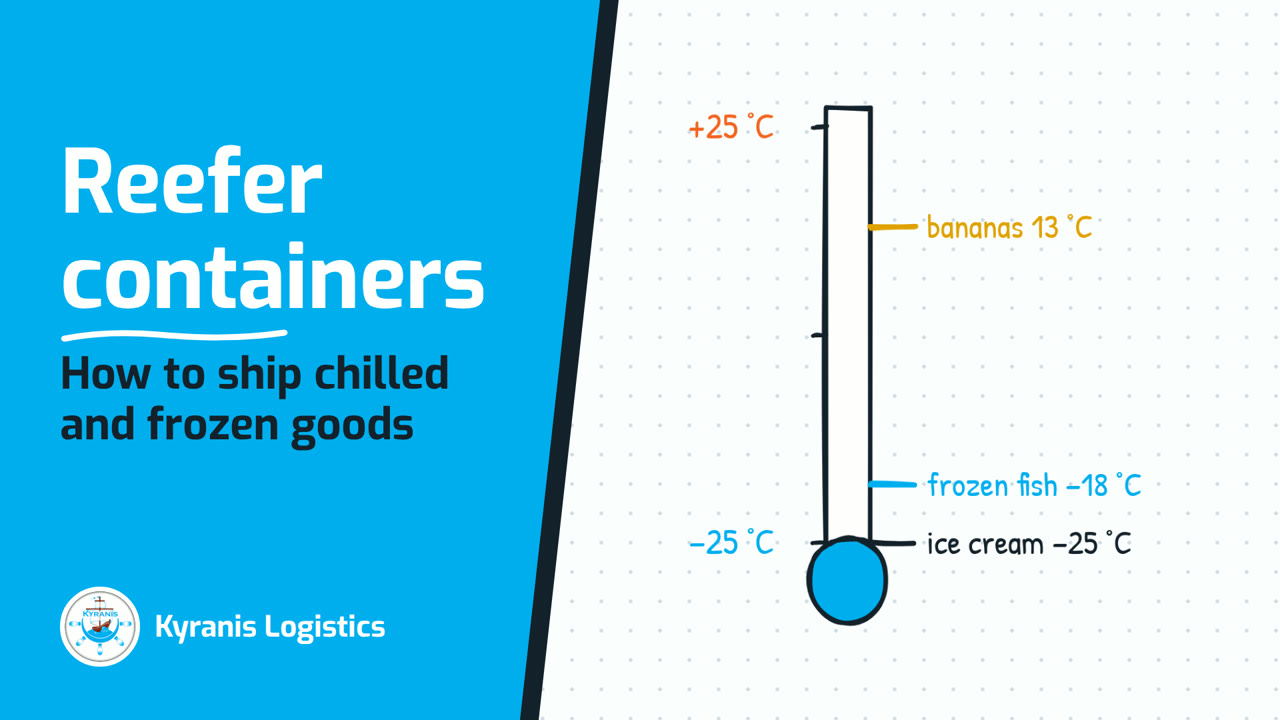
- Standard units hold any temperature between +25 °C and −25 °C, for chilled and frozen cargo. Part of the fleet goes down to −35 °C, and special super freezers go much colder still.
- The walls and the cooling unit take space: a 20-foot reefer takes 10 Euro pallets and a 40-foot high cube reefer 23, against 11 and 24 in dry containers. See How many pallets fit in a container?.
Which temperature for which goods
The setting always comes from your contract or your producer's instructions. As an indication:
| Goods | Usual setting | Good to know |
|---|---|---|
| Leafy vegetables | close to 0 °C | Citrus fruit is kept a little warmer. |
| Fruit and vegetables | 0 to 13 °C | Depends on the product. |
| Avocados | 6 °C | Fruit keeps ripening when too warm. |
| Bananas | 13 °C | Among the warmest fruit settings. |
| Chocolate | 15 °C | Cool, not cold. |
| Medicines | 2 to 8 °C | Vaccines: tighter, monitored live. |
| Dates | 0 to 2 °C | For a few weeks; frozen for long storage. |
| Frozen meat and fish | −18 °C | Or colder. |
| Ice cream | −25 °C | Very sensitive to any rise. |
Dates: see Exporting dates from Tunisia: season, cold chain and documents.
Chilled and frozen are two different jobs
- Fruit and vegetables still live after harvest: they take in oxygen and give off heat, carbon dioxide and ethylene. The vent is opened to bring in fresh air and let these gases out.
- Frozen goods, and chilled goods that do not breathe, travel with the vent closed.
- Humidity can be set too: most units hold 60 to 85%, newer ones go down to 50%. Onions and garlic need dry air.
- The drains in the floor are opened only for fruit and vegetables.
- For long trips, a controlled-atmosphere reefer lowers the oxygen to slow ripening further.
The rule most shippers miss: a reefer keeps cold, it does not make cold
The cooling unit is built to hold a temperature, not to bring warm goods down to it. Goods loaded warm stay too warm, and fruit keeps ripening.
So the goods are cooled to the transport temperature before loading, ideally in a cold store, and loaded quickly. While the doors are open the unit draws in warm air, which brings condensation and warms the load.
Loading: let the air through
Cold air comes out of the grooved floor, rises through the cargo and returns under the roof to the unit. Anything that blocks that path makes a warm spot.
- Never load above the red line marked inside, nor beyond the end of the grooved floor, and leave a gap at the doors.
- Stow in a tight block, without large gaps between pallets or along the walls: air takes the easiest way and skips the cargo.
- Line up the vent holes of the cartons, so that air can pass through them.
- Nothing may hang over the pallet edge.
Power from loading to delivery
The cooling unit needs power the whole way, from loading to delivery. Every handover, from truck to port to ship and back, needs planning so that the container stays powered: a power cut is one of the main risks.
The controller records the set temperature, the temperature of the air going in and coming back, the defrost cycles and every time the power went off or on. Remote monitoring can send an alert when the temperature leaves its range or the doors open.
That record decides a claim: if goods arrive damaged, ask for it at once and see our guide on claim deadlines.
What to tell us when you book
- The goods and the set temperature in °C, exactly as in your contract.
- The vent: open, with the setting your goods need, or closed; and humidity if it matters.
- Whether the goods will be cooled before loading, and where they are loaded.
- How many pallets, and how high.
- The certificates the buyer's country asks for, phytosanitary or health.
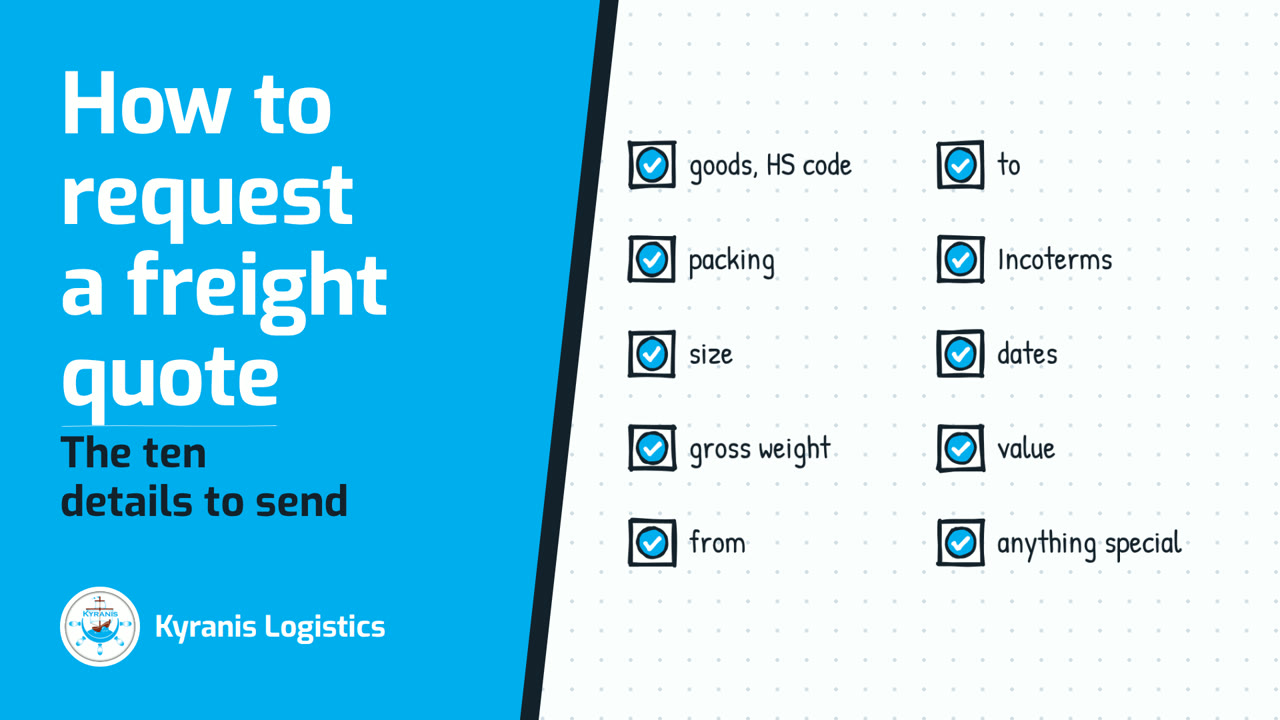
The other details of a good request are in How to request a freight quote.
Chilled and frozen goods from Tunisia
To Europe, many chilled loads go by refrigerated truck on the ferry; reefer containers carry them by sea. Our pages for exporters of fresh fruit and vegetables and of fresh fish and seafood list the certificates per product, and our guide on dates covers the season and the cold chain.
Common mistakes
- Loading warm goods and expecting the reefer to cool them.
- Stacking above the red line, or leaving gaps the air runs through.
- Keeping the doors open for a long time during loading.
- A closed vent on fruit that breathes, or an open one on frozen goods.
- A temperature on the booking that differs from the contract.
In short
- A reefer holds a set temperature from +25 °C to −25 °C; it does not cool warm goods.
- Cool the goods first, load fast, stay under the red line, keep air channels free.
- Breathing fruit: vent open; frozen goods: vent closed.
- The container's temperature record settles any discussion on arrival.
Shipping chilled or frozen goods? Contact us: we book the reefer, check the settings and the certificates, and follow the container to delivery.
Sources
- Maersk: Keeping it cool, an overview of reefer containers
- Kuehne+Nagel: Your 5 point guide to mastering reefer container shipping
- Kyranis Logistics: How many pallets fit in a container?
- Kyranis Logistics: Exporting dates from Tunisia
Read on 22 November 2026. Temperatures in the table are indications from these sources: the right setting for your goods is the one your buyer or producer gives.
Planning a shipment? Request a quote with every fee included upfront, or talk to our team in Tunisia: +216 70 295 255, info@kyranislogistics.com.

Comments
Ask a question or share your experience.
No comments yet. Be the first to ask a question.