
Every autumn the Tunisian government sends Parliament its finance bill for the coming year, and every year it changes some customs rules. The draft for 2027 (PLF 2027) contains four measures that touch importers directly. They are still proposals: Parliament can change or drop them before the law is adopted.
What the bill proposes
The four import measures, as reported in the Tunisian press from the text of the bill:
| Goods | Proposed measure | Article of the bill |
|---|---|---|
| Smartphones (tariff line 8517.13) | Customs duty cut to 10% | 68 |
| Solar collectors (heading 8541) | Customs duty cut to 10% | 50 |
| Electricity storage batteries (heading 8507) | No customs duty, VAT or FODEC tax, after a technical opinion from the Ministry of Industry | 49 |
| Electronic payment terminals | Customs duty 0%, and exempt from VAT | 69 |
Smartphones: duty down to 10%
The government says the aim is to make digital tools more affordable and to encourage electronic payments. The press reports do not give today's rate, so the saving depends on the phone's tariff line: ask us to check yours. Another article of the bill adds a 20-dinar stamp duty each time a mobile phone is registered on the national device register (the Sajalni platform); the first registration stays free.
Solar and storage: cheaper to equip
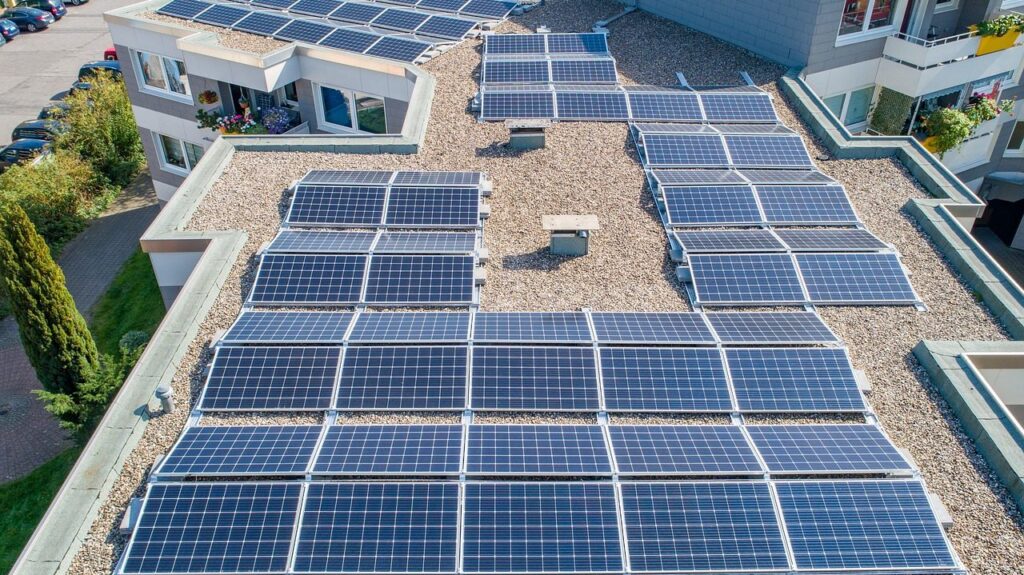
Imported solar collectors would pay 10% customs duty. Batteries that store electricity would enter free of customs duty, VAT and the FODEC tax, but only with a favourable technical opinion from the Ministry of Industry, so that opinion has to be in hand before the goods arrive. The measures go with the energy programme the government presented to Parliament on 9 November 2026.
Payment terminals: 0%
Electronic payment terminals would pay no customs duty and would be added to the list of goods exempt from VAT (table A of the VAT code), again to spread card and mobile payments.
When it could apply
If Parliament keeps these measures, they should apply from 1 January 2027, once the finance law is adopted and published. The duty rate is normally the one in force on the day the customs declaration is registered, not the day the goods were shipped. A container of solar collectors arriving in late December may therefore pay less if it is cleared in January, but storage at the port costs money too, so the sum has to be done case by case.
What to do now
- Importing phones, solar equipment, batteries or payment terminals: send us the tariff line and the arrival date, and we will check which rate applies and whether waiting makes sense. See customs clearance.
- Batteries: ask for the Ministry of Industry’s technical opinion early; without it there is no exemption.
- How the taxes add up (customs duty, VAT and the rest): read how import duties in Tunisia are calculated.
- Orders planned for January: ask us for a quote with every fee included.
Sources
- Managers: PLF 2027, customs duty on solar equipment cut to 10% (9 November 2026)
- Webdo: solar and batteries, new tax advantages in the 2027 budget (9 November 2026)
- Managers: customs duty on smartphones could be cut to 10% (26 October 2026)
- Tunisie Numérique: PLF 2027, smartphones taxed less at import, 20-dinar stamp duty (16 October 2026)
- Réalités: smartphones and payment terminals in the 2027 finance bill (17 October 2026)
Photo: solar panels on a flat roof, by Solarimo, Pixabay. Based on press reports of the draft finance bill for 2027; the law as adopted may differ, and we will update this article when it is published.
Planning a shipment? Request a quote with every fee included upfront, or talk to our team in Tunisia: +216 70 295 255, info@kyranislogistics.com.

Comments
Ask a question or share your experience.
No comments yet. Be the first to ask a question.