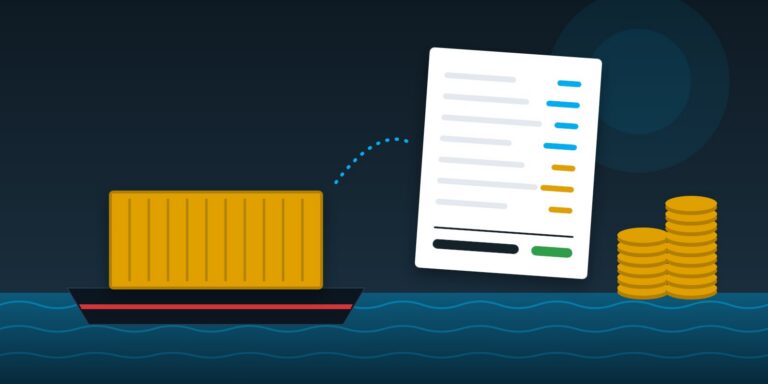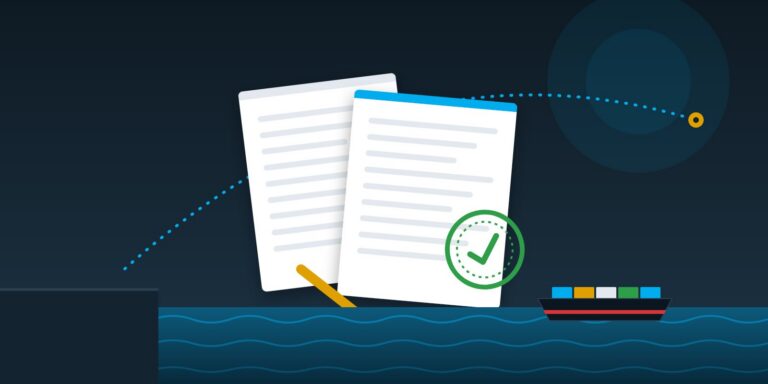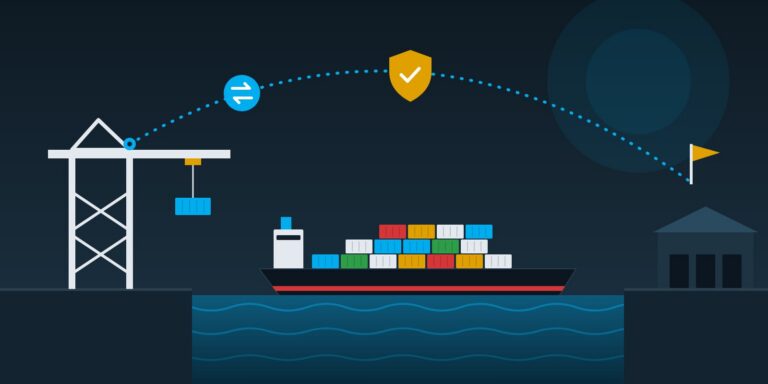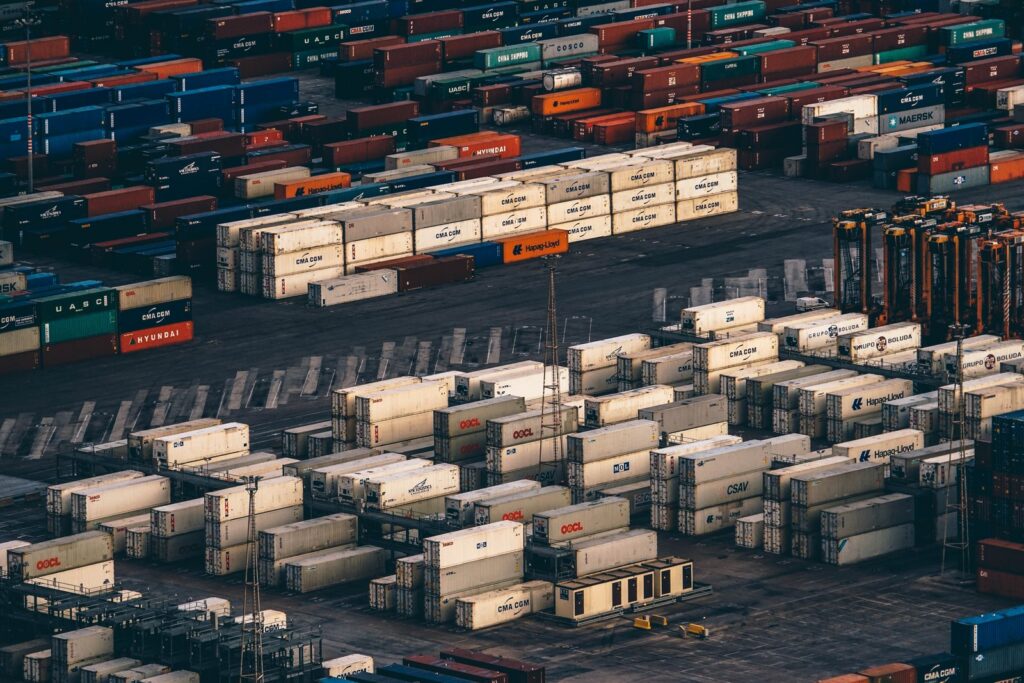
A container shipment can arrive on time and still cost much more than planned. The reason is often a set of charges that start when a container waits too long: demurrage, detention and storage. They are easy to confuse, and they can grow quickly, day by day. The good news is that most of them can be avoided with planning.
Free time: where it all starts
Shipping lines own or lease most containers. They let you use them for a limited number of days without charge. This is called free time. Ports and terminals also give a limited number of free days for storing cargo. Once the free time ends, daily charges begin. The rate often rises the longer the delay lasts.
Free time differs by carrier, port, container type and contract. It may be counted in calendar days or working days, and it may start on the day of discharge or the day after. Always check the exact terms for your booking, and do not assume they are the same as on your last shipment.
Demurrage, detention and storage: the differences
- Demurrage is charged by the shipping line when a full container stays inside the terminal beyond the free time. At import, this means the container has been discharged but not yet collected. At export, it can mean a full container delivered to the terminal too early, before the vessel is ready.
- Detention is charged by the shipping line when a container stays outside the terminal beyond the free time. At import, the clock runs from the moment the full container leaves the terminal until the empty one is returned. At export, it runs from the moment you collect the empty container until you return it full.
- Storage (sometimes called port storage or terminal storage) is charged by the terminal or port operator, not the shipping line, for the space a container or cargo occupies.
Some carriers combine demurrage and detention into one free period, often written as “D&D”. A container held at the port for too long can therefore cost demurrage and storage at the same time.
Why containers get stuck
The most common causes are practical, and many are within your control:
- documents not ready when the vessel arrives, such as a missing original bill of lading or certificate;
- freight or charges not paid, so the carrier does not release the container;
- customs holds, inspections or questions about the value or the tariff code;
- no truck available, or a receiver who cannot unload on the planned day;
- a warehouse that is full, so the container is used as temporary storage;
- public holidays and weekends that fall within the free time.
Practical ways to avoid the charges
- Know your free time before you book. Ask for the free days at origin and destination in writing, with the start rule and the daily rates after.
- Negotiate more free time when you need it. If you know unloading will take longer, extra free days agreed in advance are usually much cheaper than paying detention later.
- Prepare documents before arrival. Send the commercial invoice, packing list and certificates to your customs broker while the goods are at sea. In many cases the customs declaration can be prepared in advance.
- Pay freight and local charges early, so that the release is not delayed by an open invoice.
- Plan the truck and the unloading team for the day the container is available, and confirm the receiver’s opening hours.
- Return empties quickly to the depot named by the shipping line. Returning to the wrong depot can mean more charges.
- Watch holidays and peak periods. Free time may run during days when no one can clear or unload.
- Consider devanning at the port or a nearby warehouse if your own site cannot unload in time. Moving the cargo into storage can be cheaper than keeping the box.
When charges arise anyway
Sometimes delays cannot be avoided, for example during a customs inspection. Ask for a clear breakdown: which charge, which party, which dates and what rate. Check the dates against the arrival notice and gate records, and raise any disagreement quickly. Under the Incoterms rule you agreed, these costs may belong to the buyer, the seller or be shared, so check the contract too.
At Kyranis Logistics we quote with every fee included upfront, and we tell you about possible charges such as these before you book. With customs clearance, road freight and warehousing handled by one team, it is easier to keep containers moving within the free time.
Planning a shipment? Request a quote with every fee included upfront, or talk to our team in Tunisia: +216 70 295 255, info@kyranislogistics.com.