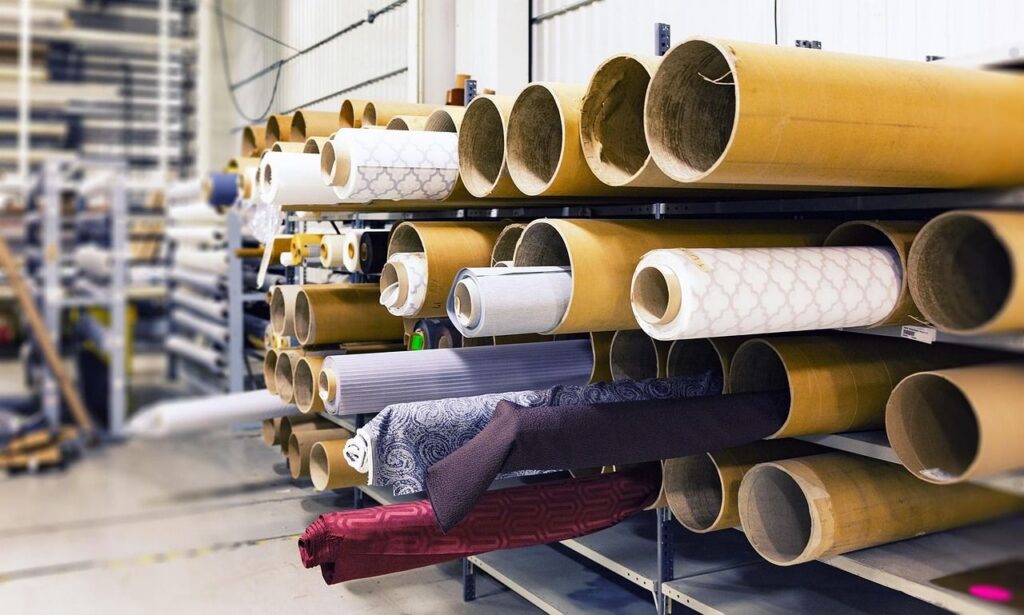
Importing fabrics and yarns
Inputs for the clothing factories, on time
Tunisia imported 531 million dollars of cotton yarn and fabric in 2024, mostly from Turkey, France and Italy, for the factories that make clothing for Europe. Fabrics and trims for your own production are exempt from technical control, and totally exporting companies import them without duties; what matters most is that they arrive before production starts.
The product in figures
- Imports 2024
- 531 million $ of cotton yarn and fabric
- Main suppliers
- Turkey, France, Italy
- Largest import lines
- Fabrics and yarn for the clothing factories
- The rule to know
- Fabrics, yarns and trims imported for your own production are exempt from technical control. Totally exporting companies, at least 70 % of turnover exported, import them without duties.
Figures: CEPII BACI 2024, through OEC. Rules: WTO Trade Policy Review of Tunisia 2025 (WT/TPR/S/479) and the texts named on this page. Rules change; we check them for each shipment.
Points to watch
Duty-free inputs
Under the totally exporting regime, fabrics and trims come in without duties; customs ask for stock records that match what goes out.
Supplier deadlines
A late fabric delivery delays a whole collection. We plan back from your production date and track every lot.
Several suppliers
Fabric from Turkey, trims from Italy, yarn from France: we combine the lots into one truck or container.
Documents and steps

Importing into Tunisia, step by step
- Agree the Incoterm with your supplier: with FOB or FCA you choose the forwarder and see the freight cost; with CFR or CIF the supplier's choice decides it. See Incoterms 2020.
- Find the tariff line (HS code) of the product before you order: it sets the duties and taxes and shows whether a control applies.
- Fabrics and trims for your own production are exempt from technical control at import.
- Under the totally exporting regime, inputs come in without duties; keep the stock records customs ask for.
- Get copies of the documents before the goods leave: we check that the invoice, the packing list and the transport document match, the most common cause of delays. See 10 mistakes that hold a container at Radès.
- Collect the documents: commercial invoice, packing list, transport document and the proof of origin, plus any certificate the product needs.
- Plan the collection: the free days at the port are limited, after that demurrage and storage are charged. See Demurrage and detention.
Sources: WT/TPR/S/479, Regulation (EU) No 1007/2011.
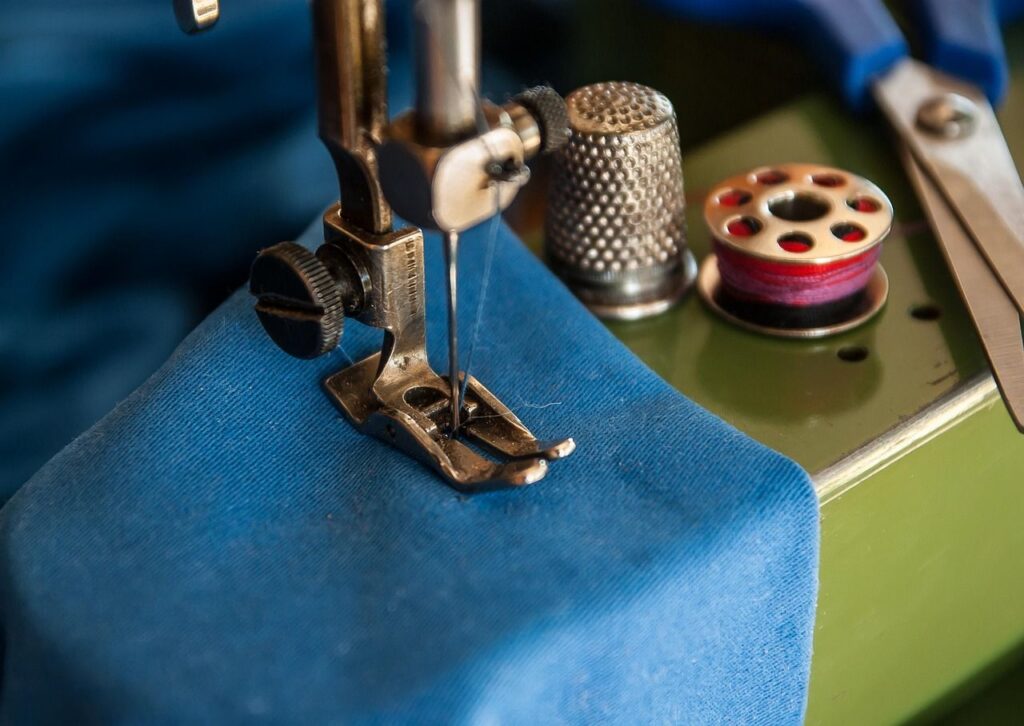
Inputs on time, production on time

In clothing, the fabric sets the calendar: when it arrives late, the whole order is late. We agree the collection dates with your suppliers, book the trucks or containers ahead and tell you early if a lot slips.
Most inputs come from Turkey, France and Italy. Road is fast and door to door; sea suits regular volumes. We clear them at Radès, Sfax or the border and deliver to your factory, with each fee in the quote.
What we take care of
- Fabrics, yarns and trims collected from your suppliers
- Several suppliers combined into one truck or container
- Import customs clearance in Tunisia
- Files for the totally exporting regime
- Delivery to your factory
- Status updates at every stage
Questions clothing factories ask
Fabrics, yarns and trims for your own production are exempt. We declare them that way when the documents support it.
Road is door to door and fast for urgent lots; sea is cheaper for regular volumes. See Air, ocean or road.
Yes, into one truck or container, so you receive one delivery and one customs file. See Freight consolidation.
That the inputs that came in without duties match the finished goods that go out. We keep the files consistent. See our customs clearance service.
Request a quote for fabric imports
Tell us the materials, the suppliers and the dates
We reply with a price that includes every fee. Prefer to talk? Call us on +216 70 295 255 or write to info@kyranislogistics.com.
