

Tunisia is one of the world’s leading date exporters, and most of what leaves the country is Deglet Nour from the oases of the south. For an exporter, a good harvest is only half the job: the dates must reach the buyer on time, at the right temperature and with papers that clear customs at the other end. This guide walks through the season, the markets, the cold chain and the documents.
The season, month by month
Date exports follow the harvest and the calendar of the buyers. Equipment is hardest to find exactly when everyone ships:
- September–October: the harvest begins
- October–December: main Deglet Nour harvest, sorting and packing
- November–January: export peak, refrigerated equipment in demand
- The weeks before Ramadan: the last rush (Ramadan 2027 begins around 8 February)
- The rest of the year: shipments from cold stores
Who buys Tunisian dates
In the first nine months of the 2025/26 season, Tunisia exported 135,500 tonnes of dates worth 854.4 million dinars, 11.5% more in volume than a year earlier. The European Union takes the largest share; Morocco is the largest single buyer.
| European Union, all countries | 45.9% |
| Morocco | 17.6% |
| Italy | 11.6% |
| Germany | 9.8% |
| Total exported | 135,500 t |
Each market has its own habits: boxes and branches for European shelves, bulk cartons for repacking, organic dates mainly for Germany. Agree the packing and labelling with your buyer before the season starts.
Keep them cold, and keep them steady
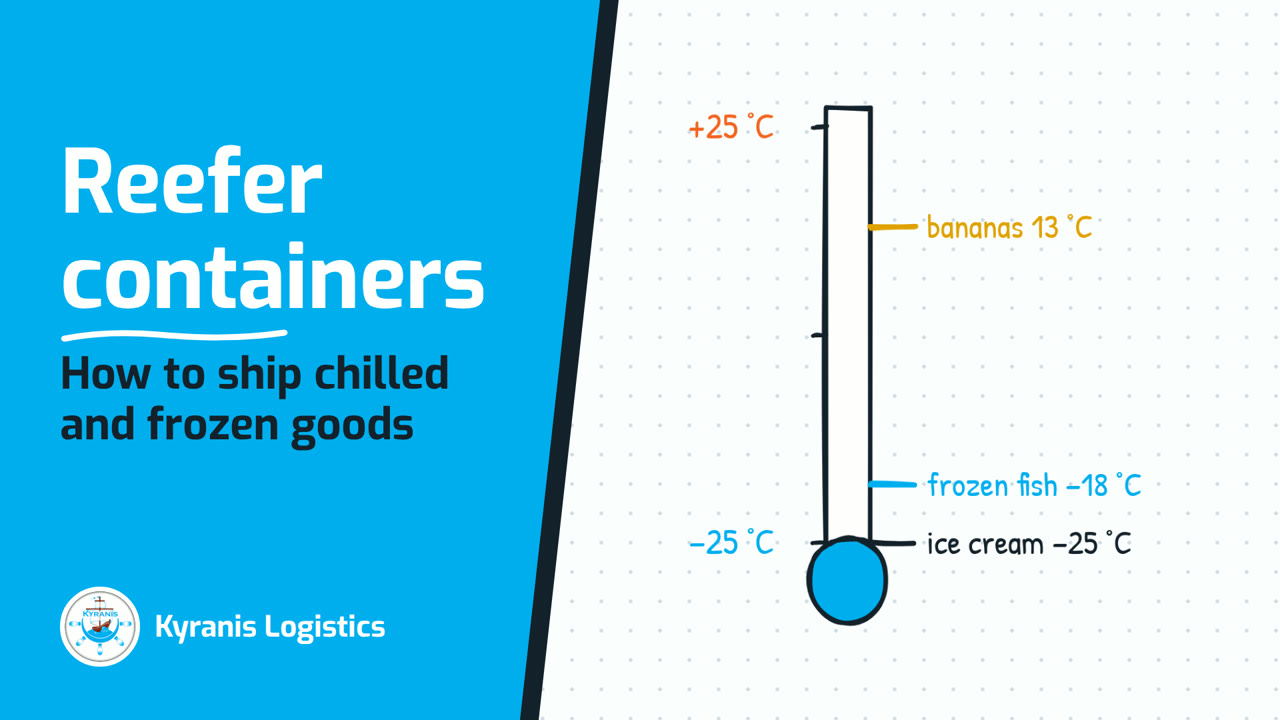
Dates are robust, but heat and swings in temperature cost quality: the fruit darkens, sugar comes to the surface and soft dates turn syrupy. Research on storage points to a temperature close to 0 °C, about 0 to 2 °C for shorter periods, and a relative humidity of about 70 to 75%. For storage over many months, dates are kept frozen at −18 °C.
In practice: pre-cool the dates before loading, set the refrigerated container or truck to the temperature agreed with your buyer, and keep the doors closed until delivery. A data logger in the load settles any discussion on arrival.
Sea, road or air
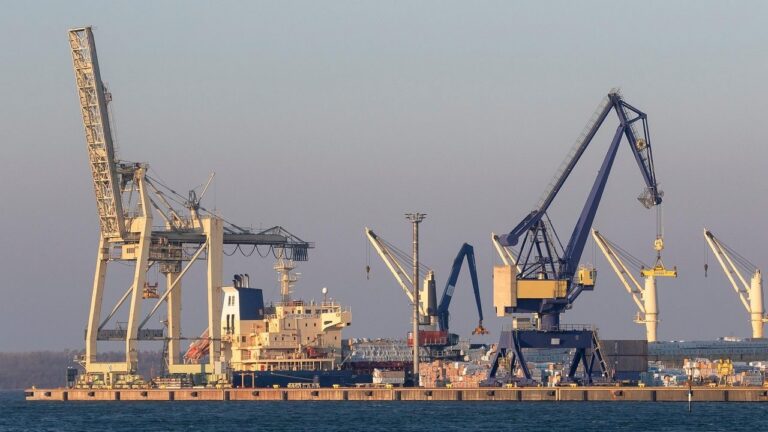
- By sea: refrigerated containers from Radès or Sfax, the usual choice for full loads to Europe, Asia and the Gulf.
- By road: refrigerated trucks on the ferry to Italy or France, door to door, for buyers who want smaller and more frequent deliveries.
- By air: small, high-value lots, such as premium dates on the branch or urgent samples.
The documents your shipment needs
Most delays happen on paper, not at sea. Check these before the dates are packed:
- Phytosanitary certificate from the Ministry of Agriculture, issued after inspection.
- Technical export control, required for fruit leaving Tunisia.
- Proof of origin for the EU (EUR.1 or an origin declaration), so your buyer pays the reduced duty. See EUR.1 and proof of origin.
- Commercial invoice, packing list and the bill of lading or road consignment note.
- What the destination asks for in addition, such as an organic certificate or, for some countries, an import permit number on the phytosanitary certificate.
We prepare and check these with you and handle the export customs clearance in Tunisia.
Book early
From November to January, refrigerated containers and trucks are in short supply, and the weeks before Ramadan are the busiest of all. Plan the shipment back from the date your buyer needs the dates on the shelf, and book the equipment as soon as the harvest volumes are known.
Four mistakes that cost money
- Booking the reefer when the dates are already packed, in the middle of the peak.
- Loading warm fruit into a cold container: the container cannot cool the load fast enough.
- A missing or wrong proof of origin, so the buyer pays full duty.
- Packing and labels that do not match the buyer’s market.
How Kyranis Logistics helps
With almost 30 years of experience from Tunisia, we book refrigerated equipment ahead of the peaks, check your documents before loading and keep you informed until delivery. Read more on exporting dates from Tunisia or ask us for a quote.
Sources
- ONAGRI, National Observatory of Agriculture: date export figures
- Tunisie Numérique: date exports 2025/26 (ONAGRI figures)
- UC Davis Postharvest Center: storage of dates
- INRAE: storage conditions and quality of Deglet Nour dates
- CCI Centre: manual of export procedures (2025)
Figures as published on 29 October 2026; check the latest season figures with ONAGRI.
Planning a shipment? Request a quote with every fee included upfront, or talk to our team in Tunisia: +216 70 295 255, info@kyranislogistics.com.
Comments 2
Ask a question or share your experience.
How can I determine the appropriate temperature and cooling settings for this type of cargo, considering that I will be exporting dates from Tunisia to Malaysia?
Hi Amira, good question. For semi-dry dates like Deglet Nour, a reefer is usually set between 0 and 4 °C, with humidity around 65–75 % and low ventilation. Malaysia is a voyage of about 4 weeks, so the cooler end of that range keeps them best. Pre-cool the dates before loading, and ask the packer for their recommended setting on the commercial documents. Send us your packing and volume at info@kyranislogistics.com and we’ll confirm the exact settings with the carrier for your shipment. Kyranis Logistics