Many everyday products are dangerous goods in transport: paints, perfumes, aerosols, cleaning products, adhesives, lithium batteries, some foods and many industrial chemicals. They can be shipped safely, by air, sea and road, but only when they are classified, packed, marked and declared correctly. Mistakes can put people at risk, and they can lead to rejected shipments, heavy fines and even criminal charges.
This article explains the basics. It is not a replacement for the regulations or for trained staff.
The rules for each mode of transport
Each mode has its own set of regulations. They are all based on the UN Recommendations on the Transport of Dangerous Goods, so the main ideas are the same, but the details differ.
- Sea: the IMDG Code (International Maritime Dangerous Goods Code), issued by the International Maritime Organization.
- Air: the ICAO Technical Instructions, applied in practice through the IATA Dangerous Goods Regulations (DGR). Air rules are the strictest. Some goods that may travel by sea or road are forbidden by air, or allowed only on cargo aircraft.
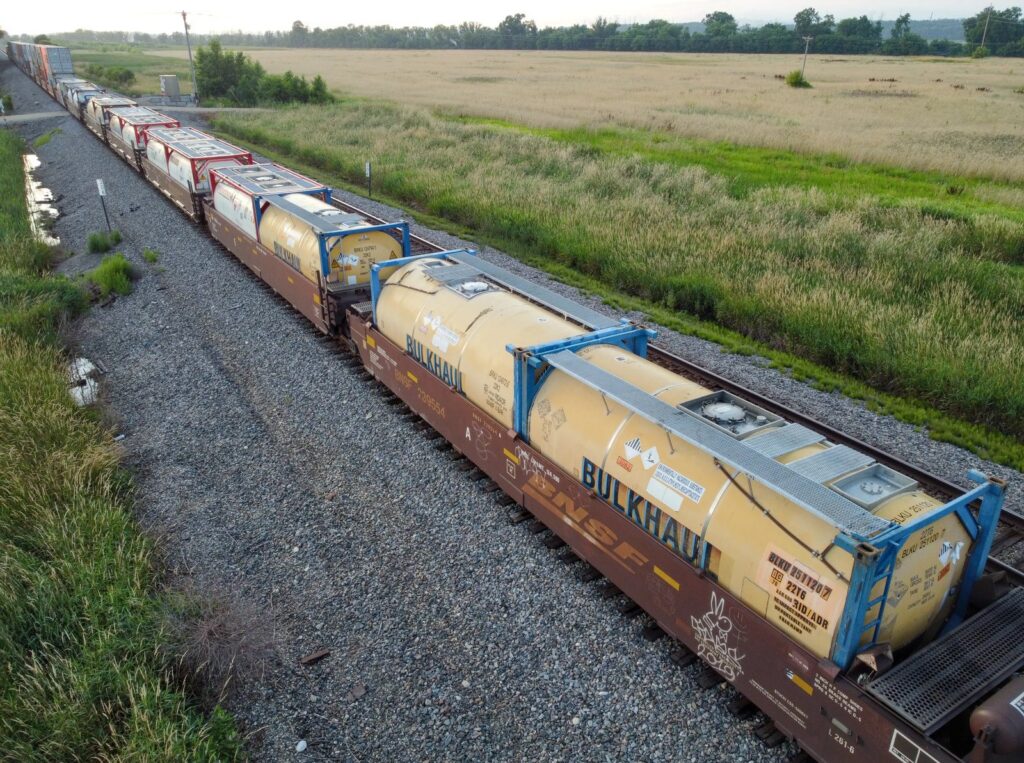
- Road: ADR, the European agreement on the international carriage of dangerous goods by road, used in Europe and in many other countries.
Airlines, shipping lines and individual countries can add their own, stricter rules. These are called variations, and they must be checked for each route.
The nine hazard classes
Every dangerous substance or article is assigned to one of nine classes, according to its main hazard:
- Explosives, such as fireworks and ammunition.
- Gases: flammable, non-flammable or toxic, including aerosols and gas cylinders.
- Flammable liquids, such as many paints, solvents, perfumes and fuels.
- Flammable solids, substances liable to spontaneous combustion, and substances that give off flammable gases with water.
- Oxidising substances and organic peroxides, such as some fertilisers and bleaching agents.
- Toxic and infectious substances, such as some pesticides and medical samples.
- Radioactive material.
- Corrosive substances, such as acids, alkalis and many batteries with liquid electrolyte.
- Miscellaneous dangerous goods, including lithium batteries, dry ice and environmentally hazardous substances.
Many substances are also given a packing group: I for high danger, II for medium danger and III for low danger.
The key information: UN number and safety data sheet
Each dangerous substance or group of substances has a four-digit UN number and a proper shipping name. For example, UN 1263 covers paint and paint-related material. The UN number tells everyone in the chain which rules apply.
The safety data sheet (SDS) from the manufacturer is the starting point. Section 14, “Transport information”, normally gives the UN number, the proper shipping name, the class and the packing group. Always send a current SDS to your forwarder when you ask for a quote. Without it, the goods cannot be assessed.
Packing, marking and documents
- Certified packaging: most dangerous goods must be packed in UN-specification packaging that has passed set tests. It carries a UN packaging mark showing the type and the performance level. The packaging must suit the packing group of the goods.
- Marks and labels: each package shows the UN number and proper shipping name, plus the diamond-shaped hazard label of its class. Containers and trucks carry larger placards.
- Dangerous goods declaration: the shipper declares the goods in writing, with the UN number, shipping name, class, packing group, quantity and an emergency contact. For air, this is the Shipper’s Declaration for Dangerous Goods. For sea, a container packing certificate is also needed.
- Trained people: the regulations require that the staff who classify, pack, mark and document dangerous goods are trained and that their training is kept up to date.
Small quantities of some goods may be shipped under simpler conditions, known as “limited quantities” or “excepted quantities”. The conditions are strict and differ by mode, so check before relying on them.
Always declare
The most important rule is simple: never hide dangerous goods in a general cargo shipment. Undeclared dangerous goods have caused fires on ships and aircraft and injured workers. Carriers and authorities check shipments, and the penalties are severe. A shipment that is declared correctly may take a little more preparation and cost a little more. A shipment that is not declared can cost far more, in every sense.
If you plan to ship dangerous goods with Kyranis Logistics by air, ocean or road, send us the safety data sheet, the quantities and the packaging details, and we will check what is possible on your route before you book. When in doubt, ask us first.
Planning a shipment? Request a quote with every fee included upfront, or talk to our team in Tunisia: +216 70 295 255, info@kyranislogistics.com.