Skip to content

Importing plastics and polymers into Tunisia

Importing plastics and polymers

Polymers and plastic articles from Europe, the Gulf and Asia

Plastics are Tunisia's fifth largest import: 1.6 billion dollars in 2024, mostly polymers and finished articles from France, Italy and Germany, with Saudi Arabia a major source of polyethylene. Polymers for your own production are exempt from technical control; heavy bags fill a container's weight limit before its volume, so the container type matters.

The product in figures

Imports 2024
1.6 billion $
Main suppliers
France, Italy, Germany
Largest import lines
Plastic articles (368 M$), polyethylene (219 M$), polyacetals (170 M$)
The rule to know
Raw and semi-finished materials imported for your own production are exempt from technical control at import; finished plastic articles for the market may be checked.

Figures: CEPII BACI 2024, through OEC. Rules: WTO Trade Policy Review of Tunisia 2025 (WT/TPR/S/479) and the texts named on this page. Rules change; we check them for each shipment.

Points to watch

Weight and volume

Polymer bags reach a container's weight limit before it is full, while finished products fill it before they weigh much. The right container type saves money on both.

Food contact

Packaging for food needs a declaration of compliance for the EU market. Ask your supplier for it before you order, not after the goods arrive.

Moisture

Some polymers must stay dry. Sealed bags, dry containers and no long waits in the sun at the port protect the material.

Documents and steps

Importing plastics and polymers into Tunisia

Importing into Tunisia, step by step

  1. Agree the Incoterm with your supplier: with FOB or FCA you choose the forwarder and see the freight cost; with CFR or CIF the supplier's choice decides it. See Incoterms 2020.
  2. Find the tariff line (HS code) of the product before you order: it sets the duties and taxes and shows whether a control applies.
  3. Declare the polymers as raw materials for your own production to use the exemption from technical control; finished plastic articles for the shops may be checked.
  4. Before you pay: give the Ministry of Commerce the prior information on the purchase, then domicile the operation at your bank.
  5. Collect the documents: commercial invoice, packing list, transport document and the proof of origin, plus any certificate the product needs.
  6. Get copies of the documents before the goods leave: we check that the invoice, the packing list and the transport document match, the most common cause of delays. See 10 mistakes that hold a container at Radès.
  7. Customs declaration, payment of duties and taxes, and release at Radès, Sfax or the airport; then delivery to you. See how import duties are calculated.
  8. Plan the collection: the free days at the port are limited, after that demurrage and storage are charged. See Demurrage and detention.

Sources: WT/TPR/S/479 (technical control and its exemptions), Regulation (EU) No 10/2011.
Heavy loads, light products

Importing plastics and polymers into Tunisia

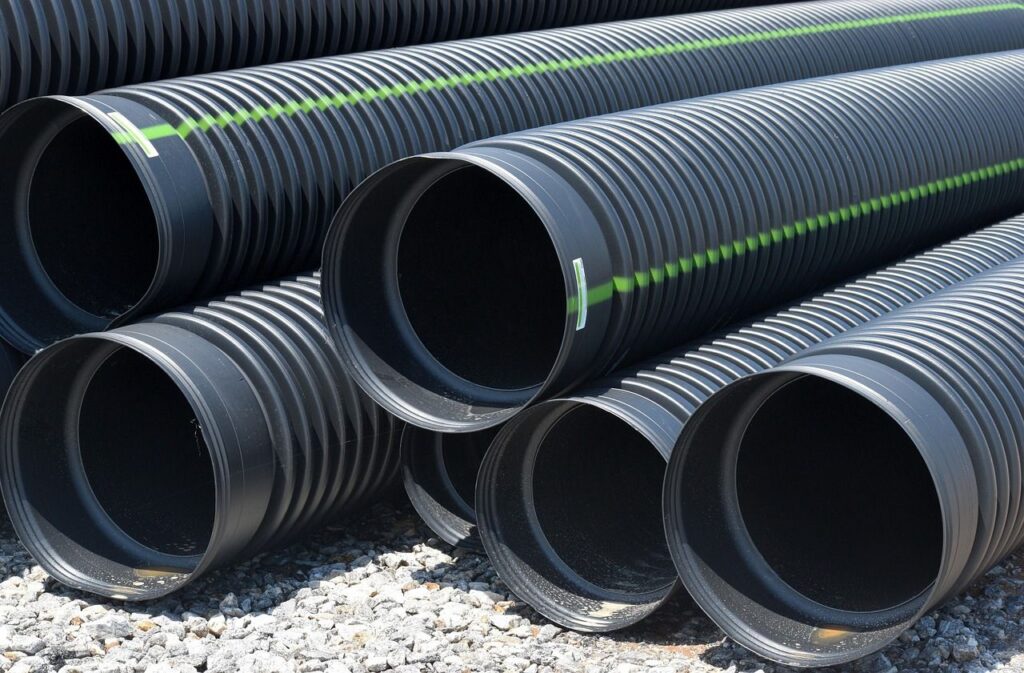
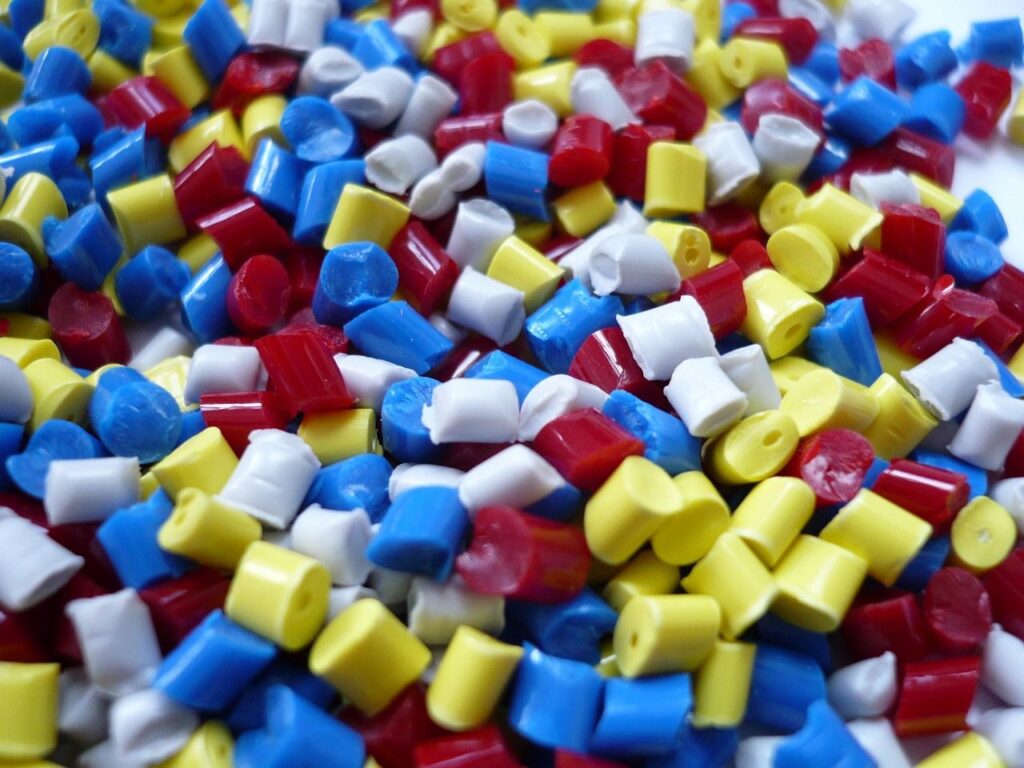
Plastics are two businesses for a forwarder. Polymers are dense and heavy: the cost per tonne decides. Finished products are light and bulky: the cost per cubic metre decides. We quote both ways and choose the container and the route that fit the load.

Most raw materials arrive by sea at Radès and Sfax. We clear them, deliver to your plant and, when you buy from several suppliers, combine them into one container. Products for France and Italy leave by truck or container; trucks to Algeria and Libya leave from Sfax. See what makes up the price of a container.

What we take care of

  • Polymer imports in full containers
  • Collection from several suppliers into one shipment
  • Import customs clearance
  • Plastic products to France and Italy by road and sea
  • Trucks to Algeria and Libya
  • Every fee in the quote

Questions plastics importers ask

Twenty or forty foot for polymer bags?

Bags on pallets usually reach the weight limit in a twenty-foot container; a forty-foot carries more volume, not much more weight. See Container types.

Raw and semi-finished materials for your own production are exempt; we declare them that way when the documents support it. See our customs clearance service.

Yes. We collect from several suppliers and ship one container. See Freight consolidation.

On the customs value, the tariff line and the origin. See Import duties in Tunisia.

Request a quote for polymer imports

Tell us the material, the volume and the route

We reply with a price that includes every fee. Prefer to talk? Call us on +216 70 295 255 or write to info@kyranislogistics.com.

    We reply within one working day, with every fee included.